
Our Makers Making Change (new window) program continues to innovate how people with disabilities access the assistive technology solutions they need to live, work, learn, and play. Through our open-source model, customized solutions can be created, often at a fraction of the cost of commercial alternatives.
Anyone can request a device through our online platform. One of the key advantages of the Makers Making Change model is the ability to customize and modify a design to an individual’s specific needs. Whether a device requires a size adjustment, a functional modification, or simply a preferred colour, our community of volunteer makers can adapt designs to create solutions that work for the user.
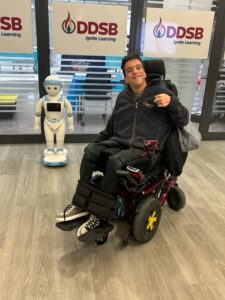
“Rather than needing to rely solely on commercial, one-size-fits-all solutions, our platform allows people with disabilities to choose from over 200 open-source device designs, many of which can be customized to meet their unique needs,” says MMC Technology Team Manager Jake McIvor.
Last year, over 250 device requests were completed by the Makers Making Change volunteer community. From simple 3D printed signature guides to complex electronic devices like the LipSync, volunteers fabricated and delivered customized solutions for just the cost of materials and shipping.
But that’s just a portion of our impact over the last year.
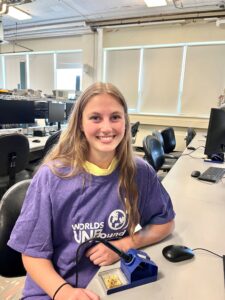
Our recently revamped Design Challenges Forum (new window) provides a platform for people with disabilities to share ideas for devices that address unmet needs. By connecting users with our community of makers, these ideas can be developed into functional designs that not only solve individual challenges but also expand our growing library of open-source solutions, helping more people benefit from shared innovation.
Makers Making Change is also helping build the future workforce and volunteer community that will drive accessible innovation for years to come. Through our STEM With Purpose (new window) initiative, youth gain hands-on experience in design, fabrication, and problem-solving while developing empathy and a greater understanding of the barriers faced by people with disabilities. These programs cultivate the skills and mindset needed to create inclusive technologies and strengthen our capacity to meet growing demand for customized solutions. One recent project saw elementary school students collaborate with a person with a disability to design and manufacture a custom ergonomic hand rest, demonstrating how even young learners can apply technology and human-centered design to create meaningful impact.
Through our Clubs That Care (new window) initiative, funded by Canada Service Corps, Makers Making Change provides micro-grants to youth leaders who are creating positive change in their communities by making and delivering assistive devices. Clubs That Care leaders work collaboratively with volunteers, community organizations, and local partners to identify needs and deliver customized assistive devices where they are needed most. In addition, our new Partner Requests functionality connects clinicians across Canada directly with Clubs That Care volunteers, streamlining access to assistive technologies for their clients.
“Clubs That Care youth leaders have shown great initiative in connecting with members of their community and local organizations,” explains MMC Community Manager Shanelle Gilman. “While leaders are required to deliver 20 assistive devices and engage 10 volunteers, many are going above and beyond — one group delivered over 300 devices.”
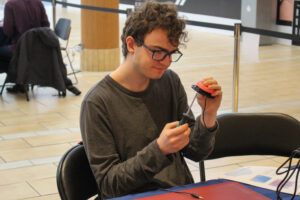
Makers Making Change continues to be a leader in the adaptive gaming space. Our network of 13 GAME Checkpoints (new window) provides accessible gaming spaces across the country and the opportunity to collaborate with clinicians and game developers which resulted in supporting nearly 200 gamers with disabilities. In December, we launched GAME Tickets, to expand this reach and connect gamers with disabilities to our adaptive gaming team for personalized support and assessments. This program helps ensure gamers can get the customized set-ups — the right combination of switches, joysticks, mounts, and other devices — to play the games they love.
Our Makers Making Change team also frequently works in collaboration with programs across our Neil Squire banner. Working under the guidance of the occupational therapists and assistive technology experts from our Solutions program, Makers Making Change has helped develop custom assistive technology solutions that enable clients with disabilities to thrive in their places of employment. Meanwhile, work with our Digital Literacy programs ensure Canadians with disabilities can access their digital devices. Often, this work involves finding custom solutions to replace commercial devices which are no longer manufactured or supported — recent examples include typing aids and sip-and-puff devices.
Together, these initiatives highlight the unique strength of the Makers Making Change model: combining open-source innovation, youth STEM education, community collaboration, and personalized support to meet individual needs at scale. Whether through a single customized device, a youth-led volunteer project, an adaptive gaming assessment, or a newly developed design shared with the community, our work is expanding access to customized assistive technology for people with disabilities across Canada and beyond.
This article originally appeared in our 2025/2026 Annual Report(new window).